






How to Plan & Install Bathroom Vanity and Medicine Cabinet Layouts
Choosing the right cabinet sizes is only half the battle—proper placement and installation determine whether your bathroom functions smoothly or creates daily frustration. Even perfectly sized vanities and medicine cabinets can fail if they block door swings, crowd toilets, or clash with lighting plans.
This guide covers the critical layout decisions that happen after you've selected your cabinet dimensions. From coordinating with electrical and plumbing to optimizing storage for different household types, you'll learn how to avoid expensive mistakes and create a bathroom layout that actually works for your specific space and needs.
Table of Contents
- How to Plan Cabinet Layout by Bathroom Configuration
- How to Position Medicine Cabinets with Lighting
- How to Match Storage Capacity to User Needs
- How to Avoid Common Sizing Mistakes
- Pre-Installation Checklist
- Final Selection Framework
1. How to Plan Cabinet Layout by Bathroom Configuration
Single-Sink Layouts
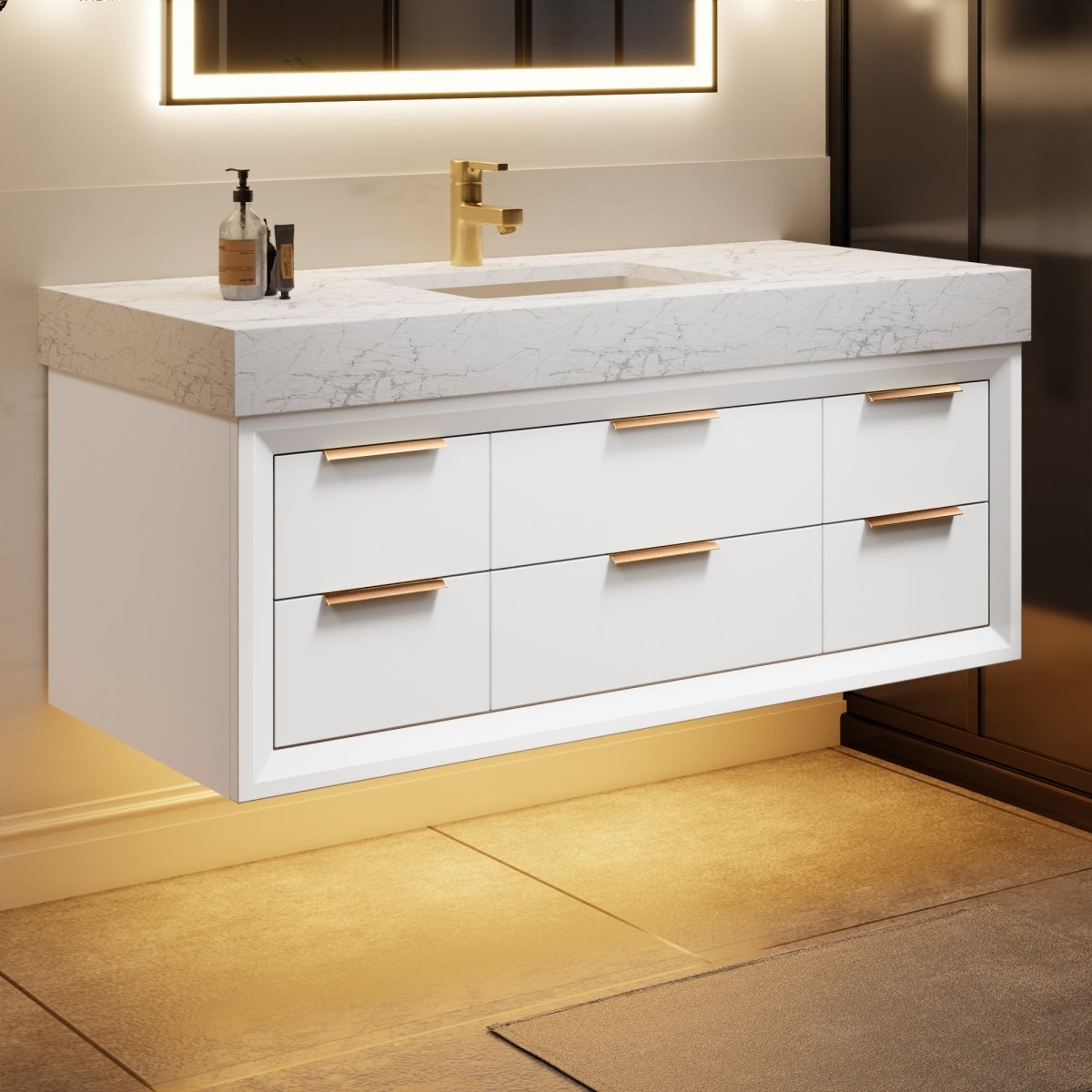
- Center 36-48" vanity on main wall
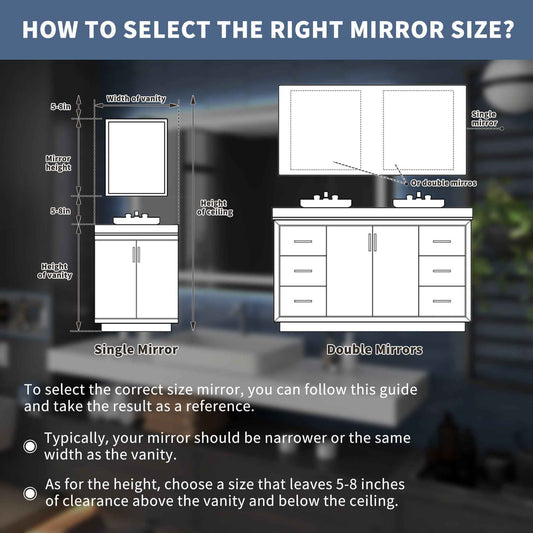
- Mount medicine cabinet 4-6" above countertop
- Cabinet width: 60-75% of vanity width
- Ensure 30" minimum clearance on all sides
Double-Sink Layouts
- Install 60-72" vanity with sinks 30-36" apart
- Use two separate medicine cabinets (one per sink) rather than one oversized unit
- Improves functionality and visual balance
- Allows personalized storage zones
Galley-Style Bathrooms
- Choose shallow-depth vanities (18-20")
- Install recessed medicine cabinets only
- Prevents head-bumping hazards in narrow walkways
- Maintain 36" minimum aisle width
L-Shaped Bathrooms
- Split functionality: primary vanity on main wall
- Add makeup vanity or storage cabinet on perpendicular wall
- Better flow than one oversized unit blocking corners
2. How to Position Medicine Cabinets with Lighting
Height Guidelines
| User Type | Cabinet Center Height | Notes |
|---|---|---|
| Average adult | 60-65" from floor | Standard eye level |
| Households with children | 58" from floor | Accessible for all ages |
| Taller users (6'+) | 68" from floor | Prevents stooping |
Lighting Coordination
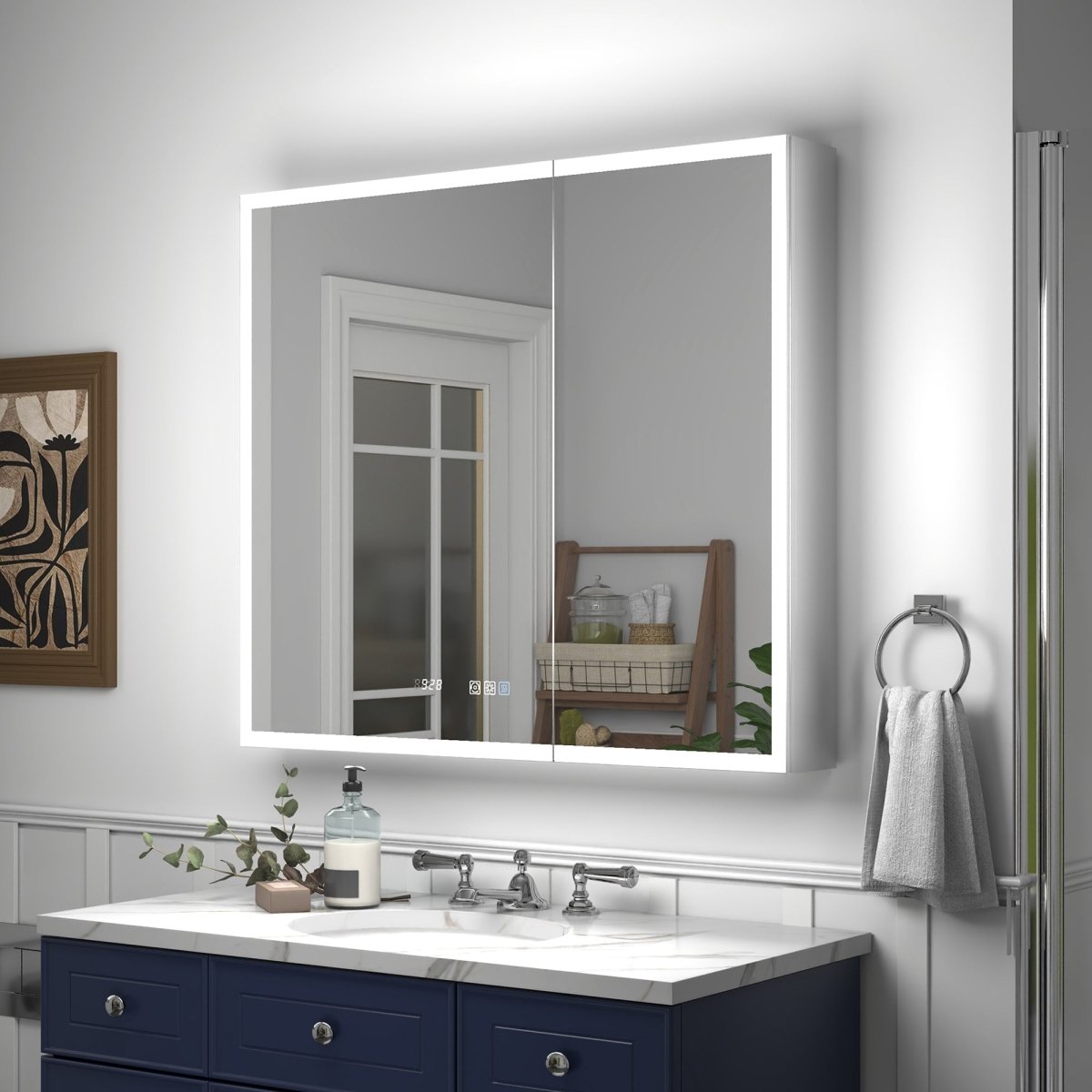
- Standard sconces mount 65-70" from floor
- Sconces should flank mirror with 28-36" between them
- Recessed medicine cabinets must not interfere with electrical boxes
- Verify wall contents before selecting recessed models
3. How to Match Storage Capacity to User Needs
| User Profile | Vanity Size | Medicine Cabinet | Additional Storage |
|---|---|---|---|
| Single user, minimal products | 30-36" | One standard | Not required |
| Couple, standard collection | 48-60" | One or two | Drawer dividers |
| Family, extensive collection | 60-72" | Dual cabinets | Linen towers, wall cabinets |
4. How to Avoid Common Sizing Mistakes
Mistake 1: Measuring Wall Space Only
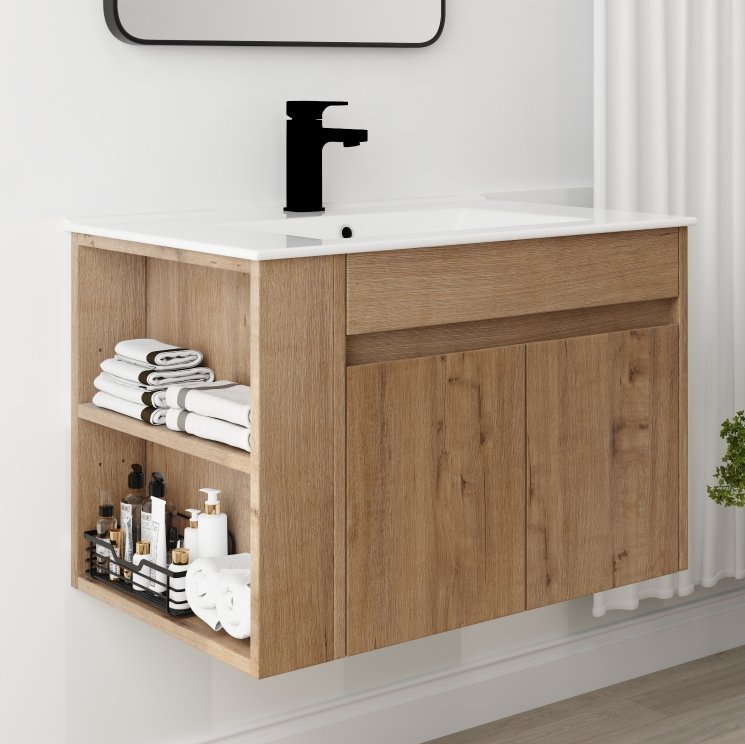
Measure clearances first: Door swings (30" arc), toilet centerline (15" from vanity edge), walkway (21" minimum). A 48" vanity may fit the wall but block the door.
Mistake 2: Ignoring Proportional Balance
Medicine cabinets must be 60-75% of vanity width. 16" cabinet above 48" vanity = visually awkward. 30" cabinet above 30" vanity = top-heavy appearance.
Mistake 3: Overlooking Infrastructure
Recessed cabinets require wall cavities free of plumbing/electrical. Vanity width must align with existing drain locations. Plumbing relocation costs: $500-1,500.
Mistake 4: Prioritizing Aesthetics Over Function
Stunning 24" vanity in shared master bath = daily frustration. Select dimensions for actual needs first, then choose style within those parameters.
5. Pre-Installation Checklist
Measurements to Confirm
- Wall width (three points: top, middle, bottom)
- Available depth with door clearance
- Distance to toilet centerline
- Door swing arc radius
- Window and fixture locations
Infrastructure Verification
- Wall cavity contents (stud finder scan)
- Existing plumbing drain location
- Electrical box positions for lighting plan
- Ventilation ducts
User Requirements
- Number of daily users
- Storage inventory count
- Special needs (wheelchair access, child height)
- Resale value priorities
6. Final Selection Framework
Follow this 7-step process to ensure perfect results:
- Measure bathroom square footage
- Identify user count and storage needs
- Select vanity width based on size charts
- Choose depth based on clearance requirements
- Calculate proportional medicine cabinet size (60-75% rule)
- Verify infrastructure compatibility
- Confirm all clearances before ordering
Ready to Find Your Perfect Bathroom Cabinets?
Now that you know exactly how to plan your layout, explore our complete collection of bathroom vanities and medicine cabinets available in sizes from 24" to 72" to match every bathroom configuration.
Need help choosing? Contact our design team for personalized recommendations based on your specific bathroom dimensions.


